About Irene Coslet
My work aligns with a current strain of research, Feminist Historiography, that seeks to recover women erased from history and contribute to the scholarship, and I am part of this tradition. Throughout my career, I have also been committed to gender equality professionally and personally, with professional experience in gender and development and violence against women prevention, while maintaining an active engagement with research and scholarship. My background is broadly humanistic, which has shaped the way I approach both research and the questions that guide my work.
“Women lacked a voice in Elizabethan England. Borrowing Spivak’s language, we may say that women were the ‘Subaltern’. At the same time, it is important not to project contemporary gender or racial discrimination onto the Early Modern period. For example, before the colonial era, religious discrimination was often more pressing than racial discrimination. In many ways, women (and women of colour) may still be considered today the ‘Subaltern’. My book is centred on a provocative question of agency: what if women had a pivotal role and a civilising impact in history, but they have been silenced, belittled and erased from the dominant narrative? Such a reflection challenges us to reconsider our understanding of society.”
-Irene Coslet, 23 January 2026
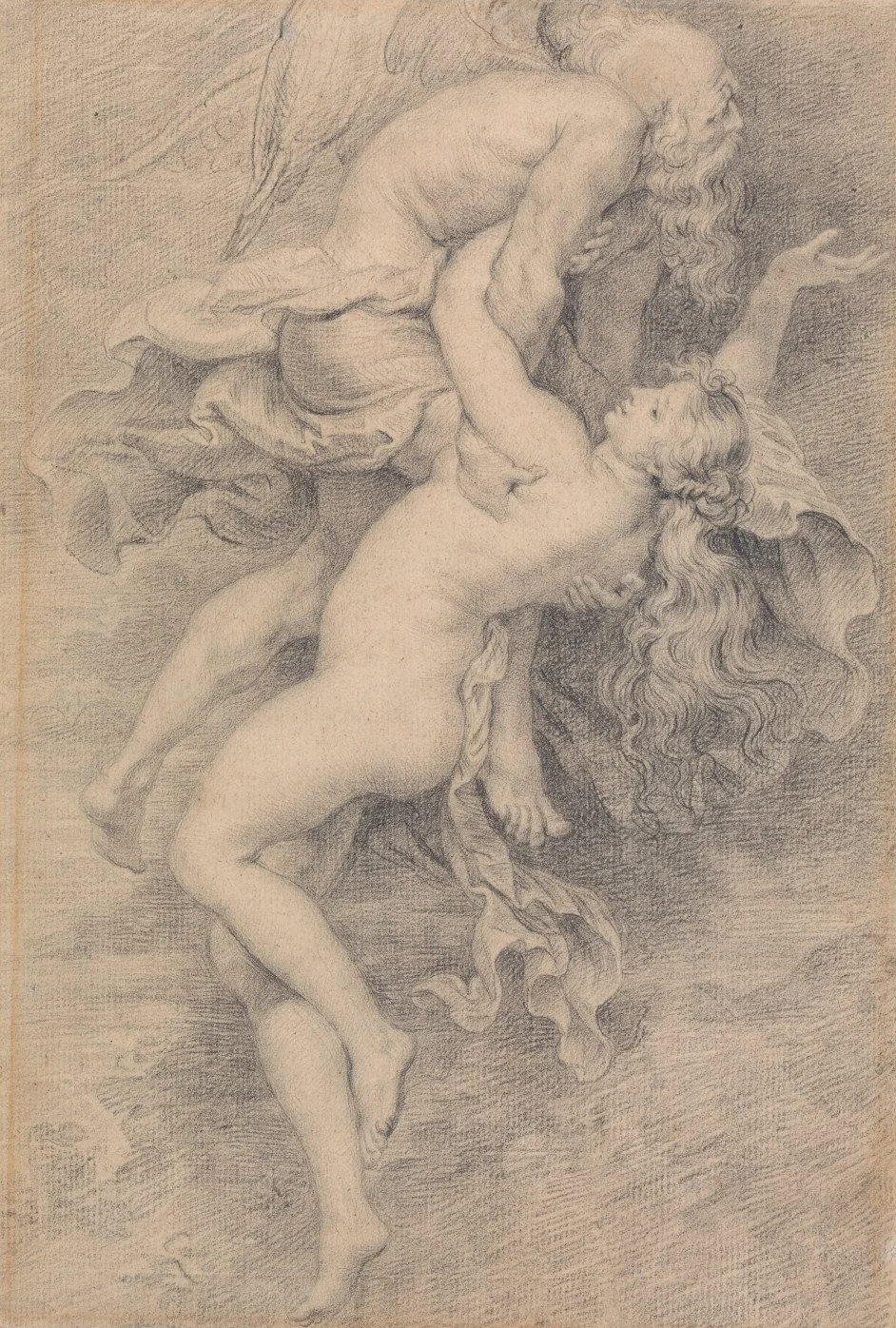
Attributed to Richard Cosway, 1742-1821, Time Raising Truth, after Rubens’ “The Triumph of Truth”. Yale Center for British Art.